
Vang Vieng, Laos: Best Things to Do (Tubing, Lagoons & Sunrise Balloons)
Surrounded by jagged limestone karsts and the slow Nam Song River, Vang Vieng is Laos' adventure playground. Tubing, blue lagoons, hot-air balloons at dawn, viewpoints — our mini-guide for what to do, where to eat, and where to crash for a few days.


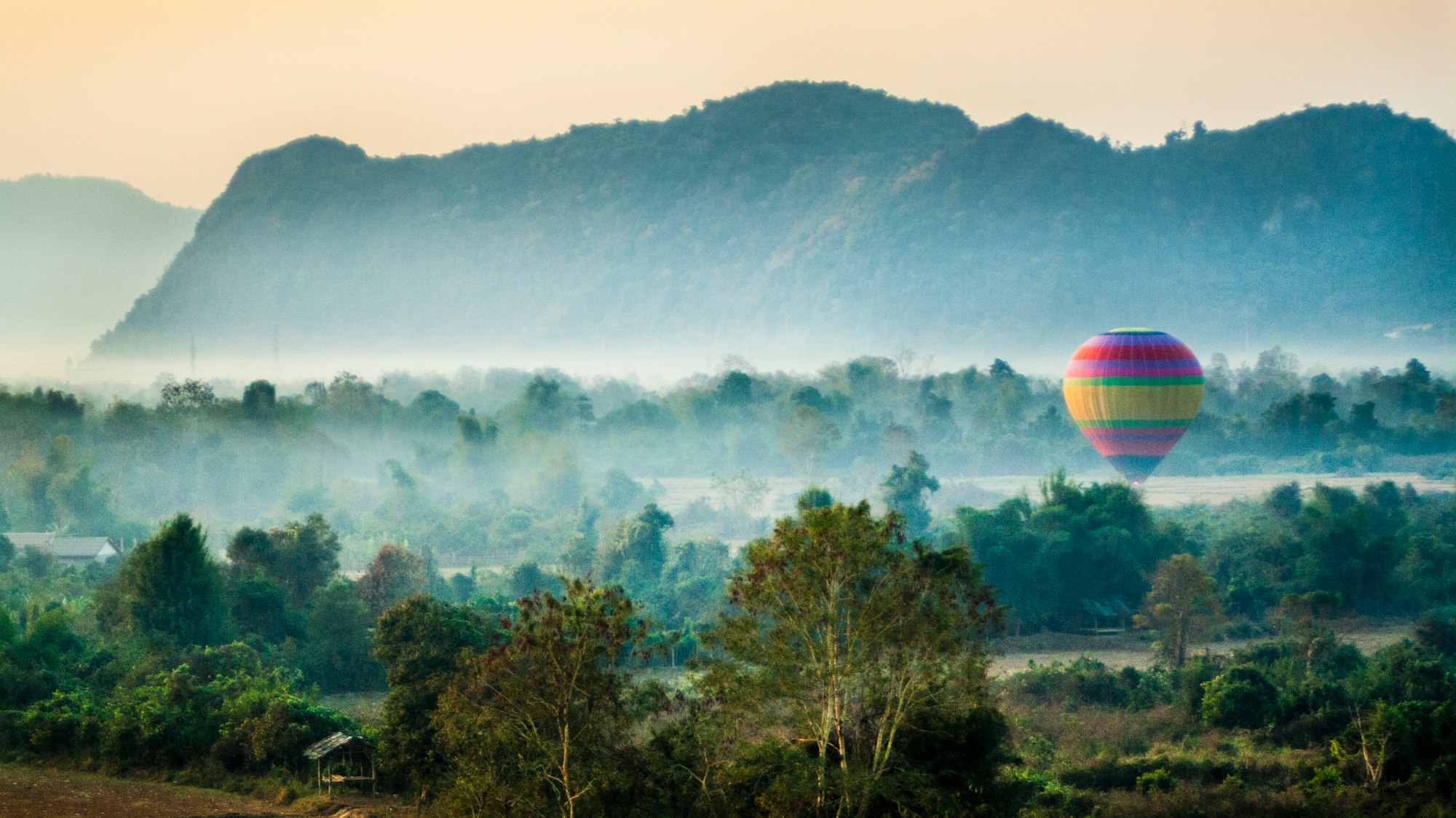
One of the advantages of living in Asia is how easy it is to reach incredible destinations. When the time came for my border run, I wanted somewhere new, affordable and relaxing — and that’s how I ended up in Vang Vieng, Laos.
I fell in love with the place almost instantly. With its dramatic scenery, great food, laid-back bars and dusty streets, it’s the kind of town I could easily return to whenever I have a few days off.
Vang Vieng is the kind of place where a little planning goes a long way — especially for transport, activities and choosing the right place to stay.
Bookings: Some of the links in this article are affiliate links. This means that if you choose to make a booking, we will receive a small commission at no extra cost to you. Thank You!
Top-rated tours: Vang Vieng
- Vang Vieng: Kayaking & Cave Tubing with Zip Line/Blue Lagoon
★ 4.6 (478 reviews) · 5 - 8 hours - Vang Vieng: Namxay Viewpoint, Blue Lagoon 1 & Phoukham Cave
★ 4.7 (353 reviews) · 4 hours - Vang Vieng: Hot Air Balloon Ride with City Hotel Pickup
★ 4.8 (56 reviews) · 2 hours
Affiliate links: if you book through them, we earn a small commission at no extra cost to you.
About Vang Vieng
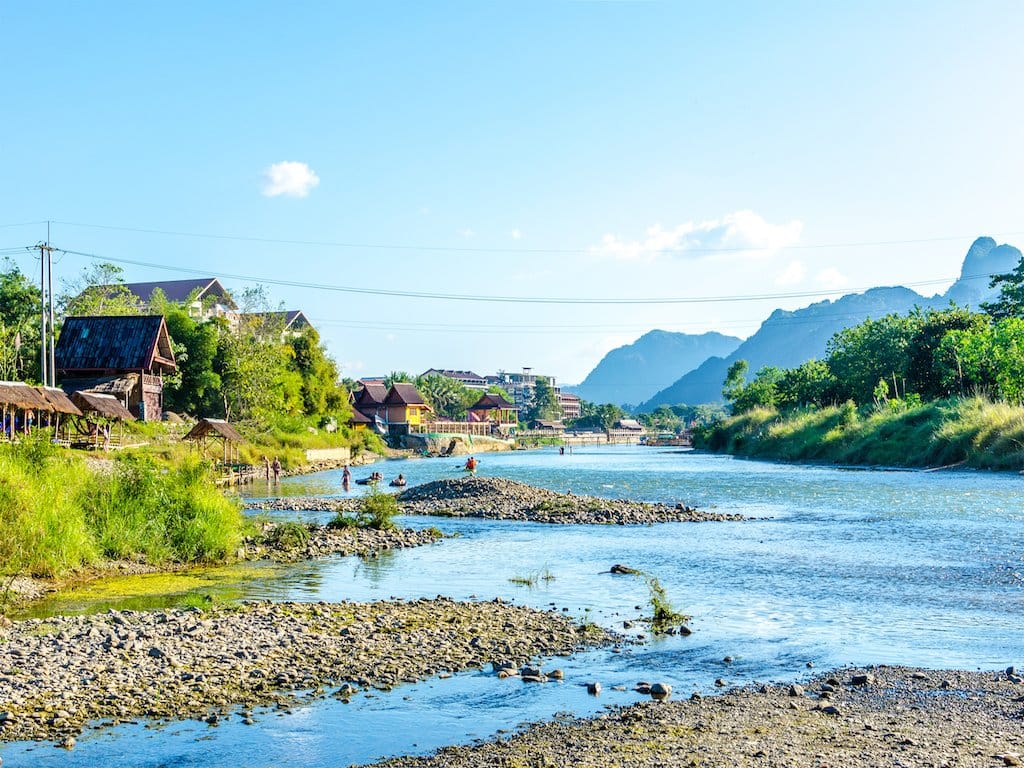
Vang Vieng is a small riverside town located about two hours north of Vientiane, the capital of Laos. Set between dramatic limestone karsts and the calm Nam Song River, it has long been a natural stop on the classic Laos travel route between Vientiane and Luang Prabang.
For years, Vang Vieng was known mainly for its backpacker party scene. River tubing, cheap alcohol and riverside bars once defined the town’s reputation, often overshadowing its spectacular surroundings. Following a series of serious accidents, local authorities stepped in, closed many of the riverside bars and reshaped tourism in the area.
Today, Vang Vieng feels very different. While tubing and nightlife still exist, the town is noticeably calmer and more diverse. Visitors now come as much for the landscapes and outdoor activities as for the social atmosphere. Korean and Japanese travellers are particularly visible, drawn by nature, comfort and organised experiences, alongside backpackers and independent travellers.
What makes Vang Vieng appealing today is this balance. You can spend the morning kayaking on the river, exploring caves or riding a scooter through nearby villages, then relax by the water in the afternoon or enjoy a laid-back evening in town. It’s not a place to experience “deep rural Laos”, but it offers an easy, scenic and enjoyable break between major destinations.
With a bit of planning — especially for transport, activities and accommodation — Vang Vieng can be one of the most rewarding stops on a Laos itinerary, whether you’re travelling solo, as a couple or as part of a longer Southeast Asia trip.
Visiting Vang Vieng
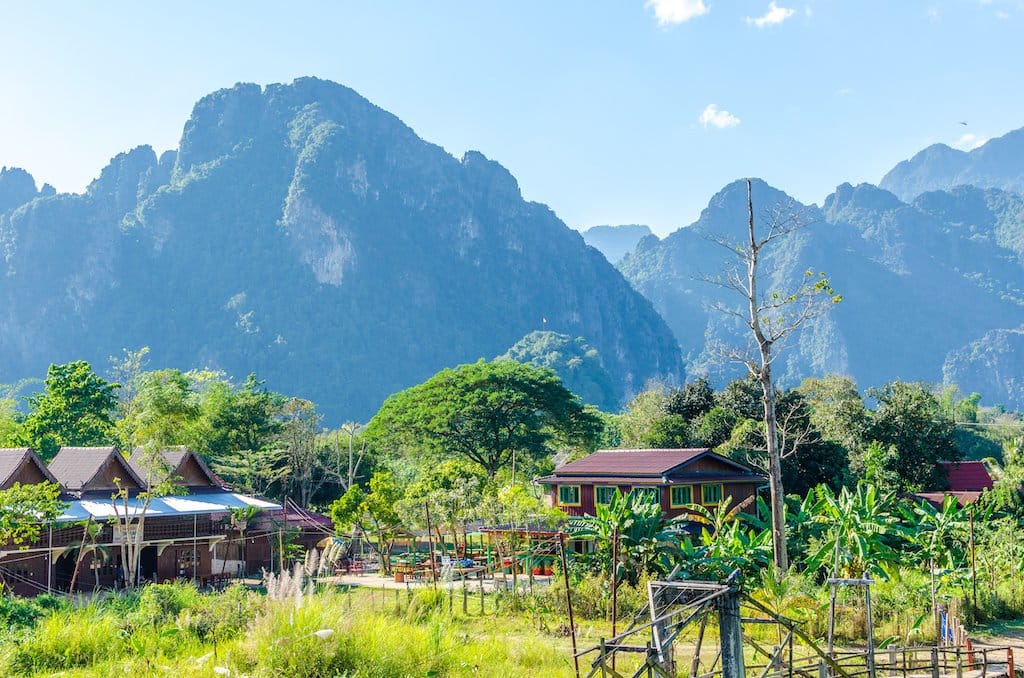
How to get to Vang Vieng (without stress)
Most travellers reach Vang Vieng from either Vientiane or Luang Prabang. While it’s easy to buy tickets locally, schedules and prices vary a lot, and it often means losing half a day organising transport on arrival.
Booking transport in advance makes the journey to Vang Vieng much smoother. It allows you to compare options clearly, avoid inconsistent prices and tourist traps, and arrive ready to enjoy the place rather than spend hours sorting out logistics.
Best options at a glance
- From Vientiane: bus or minivan — the simplest and cheapest option
- From Luang Prabang: direct bus, or train to Vientiane followed by a bus
- Flying: only to Vientiane or Luang Prabang, then continue overland
You can check current schedules and prices on 12Go (trains, buses & minivans across Laos) and compare flights (trains and flights).
I travelled to Vang Vieng by bus via Vientiane. After a long journey, spending the night there before continuing made the trip far more manageable. The bus ride itself was basic and slow — typical local transport in Laos — but part of the experience.
Arriving in Vang Vieng, it was easy to reach town from the bus station, either on foot or by shared transport.
If Vang Vieng is part of a broader Laos itinerary, it’s very common to combine it with a stop in Vientiane or Luang Prabang, both well connected by flights before continuing overland to Vang Vieng.
What to do in Vang Vieng
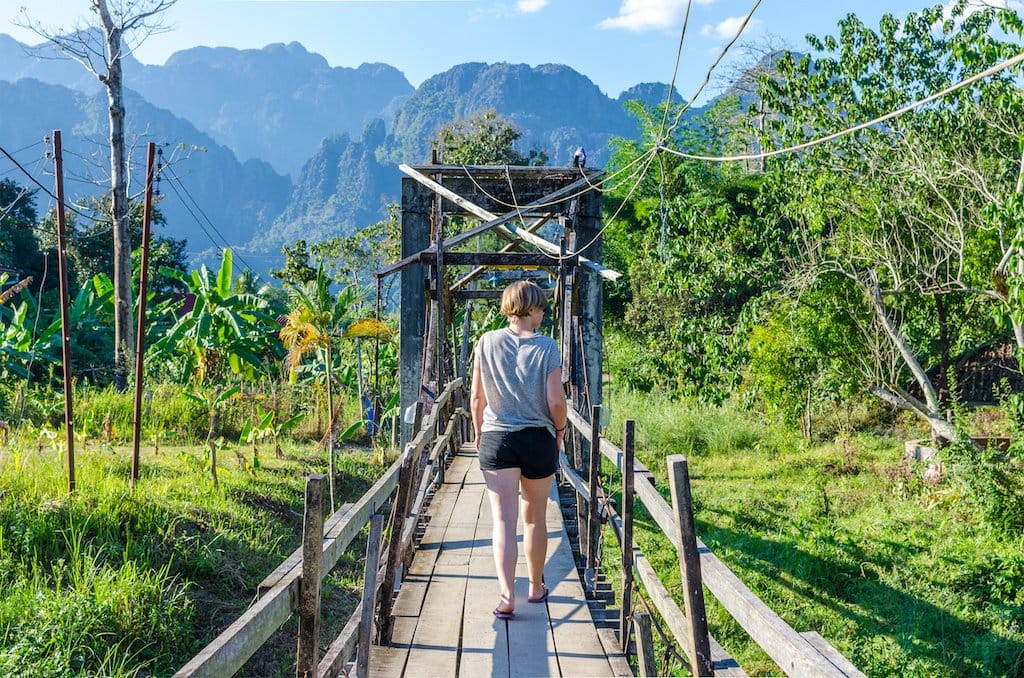
Vang Vieng is best enjoyed when you focus on a few standout experiences rather than trying to do everything. Most travellers come here for a mix of river activities, easy outdoor adventures and time to slow down — and choosing what’s really worth it makes a big difference.
River activities: tubing or kayaking?
River activities are a major reason many travellers stop in Vang Vieng, but the experience can vary depending on what you’re after — and the costs differ too.
Tubing is the most iconic option. You rent a tube near the river bank, float down at your own pace and can stop at riverside bars if you want. Typical prices are around 60,000 Kip (~$7) for a full day. It’s simple, social and requires no experience — but it can feel crowded during peak season.
Kayaking offers a more active outing. Trips usually include transport upstream and take you through quieter river sections with limestone scenery. Half-day kayaking tours often cost around $15–$20, and full-day adventures around $25–$30. It’s a good choice if you prefer nature and a bit of exercise.
In short:
- Tubing → laid-back, social, ~$7
- Kayaking → scenic & active, ~$15–$30
Getting around Vang Vieng & surroundings
Driving to some Vang Vieng might be a bit of an eyesore. It reminded me of Had Rin in Koh Phangan. The streets are filled with souvenir shops, bars and restaurants. The town is far from being a place, where you can experience the real Laos.
If you want to see the unspoiled side of the country, rent a scooter and venture out of town. Only a couple of kilometres away from Vang Vieng you will find small villages and picturesque, side roads.
The rental price for a scooter is 40,000 Kip ($4.80). You will need to leave your passport with the rental shop. Remember about good medical insurance as accidents do happen here.
Caves and lagoons: self-drive or guided?
The caves and blue lagoons around Vang Vieng are some of the most scenic spots in the area, but they’re spread out and not always easy to find.
Renting a scooter gives you flexibility and costs very little, but signage is limited and roads can be rough. It’s best if you’re confident driving and short on time.
A guided half-day tour is easier and more efficient. Transport is included, routes are optimised, and you’ll usually visit several caves and lagoons in one go — without worrying about directions or breakdowns.
👉 See a very nice guided tour here, combining the Nam Xay Viewpoint hike, a swim at the Blue Lagoon, and a visit to the sacred Phoukham Cave, with transport and entrance fees included.
Hot air balloon: worth it?
A hot air balloon flight is the most spectacular — and expensive — experience in Vang Vieng. Flights usually take place late afternoon, just before sunset, offering sweeping views over the karst landscape and river below.
At around $80 per person, it’s not for every budget, but it’s a once-in-a-lifetime experience if you’re celebrating something special or want a truly unique perspective on the area.
👉 Check availability and flight times here.
Rock climbing is another option in Vang Vieng, thanks to the surrounding limestone cliffs. Several local operators offer half- or full-day climbs, usually arranged through guesthouses or travel agencies in town.
Most river activities are listed in the widget below
Where to party in Vang Vieng
A few years ago, Vang Vieng was widely known for its party scene. Today, the atmosphere is much calmer, but travellers who enjoy nightlife will still find places to go out in the evening.
Bars are mainly concentrated along the main street, where music venues and casual spots stay lively until late. Sakura Bar is one of the best-known places, popular for electronic music and a social crowd, before things wind down around midnight and the focus shifts to nearby bars.
While Vang Vieng has largely moved on from its more chaotic past, it’s still important to be aware of local laws and cultural norms when going out. Nightlife here is best enjoyed in moderation, with a focus on socialising, music and relaxed evenings rather than excess.
Where to eat and drink
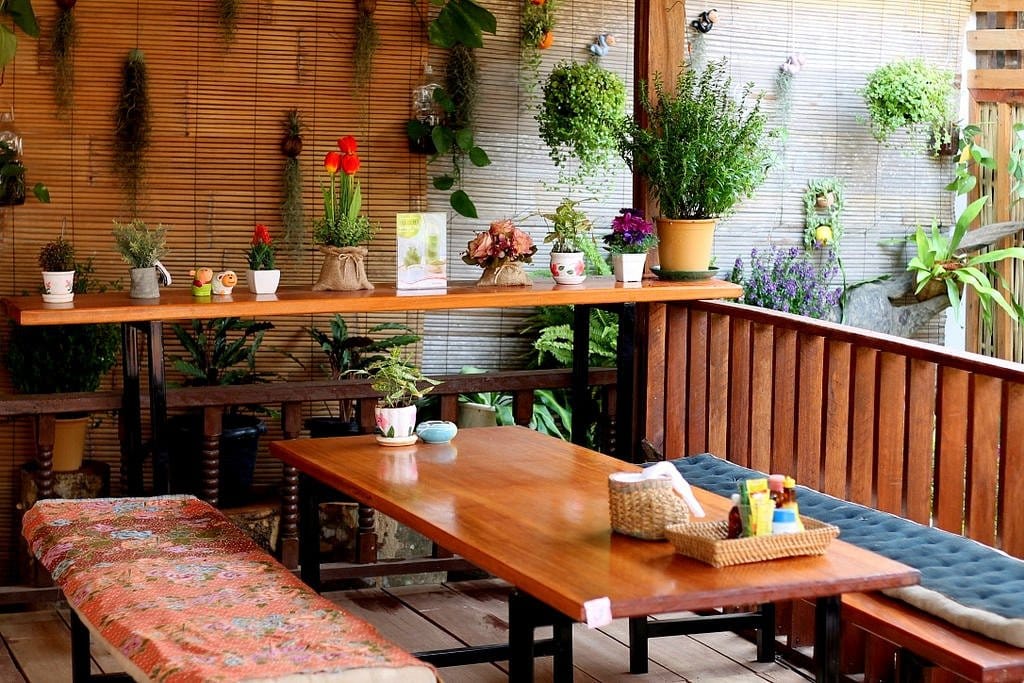
I must say that the food in Vang Vieng was surprisingly good. Of course, everything here is targeted towards tourists, but you will find some cheap, affordable places to eat as well as some more fancy restaurants.
I've recently become a vegetarian and it was relatively easy to find non-meat options in Vang Vieng. Here are my favourite places to eat and drink:
Veggie Tables - I loved their vegetarian laap, which is normally a meat dish. Here they make it using tofu and some delicious, fresh herbs. Order Lao ice green tea and for breakfast indulge in one of their huge and fulfilling sandwiches.
Earth Recycled Restaurant - their burgers are fantastic! There is a vegetarian option, which is delicious and a few choices for meat-eaters. Another reason to visit this place is the beautiful view over the mountains and the river.
A sandwich stand - you will see many of those in Vang Vieng, but I found one in particular that I loved. You will find it just outside of the Phanith Guest House, located on the main street. An older lady who sells these amazing sandwiches is there every second day.
Where to stay in Vang Vieng (depending on your vibe)
Choosing where to stay in Vang Vieng can really shape your experience. The town is compact, but the atmosphere changes noticeably depending on whether you stay close to the river, near the main street, or slightly outside the centre.
Use the interactive map below to explore accommodation options across Vang Vieng — you can zoom out to see the full area, and click on listings to compare prices from platforms like Booking and Vrbo.
River views & peaceful mornings
If waking up to limestone cliffs and river scenery is your priority, look for guesthouses along the Nam Song River. These areas are generally quieter, ideal for early walks, sunset views and a more relaxed stay away from the busiest streets.
For a truly memorable experience, we recommend Song View Pool Villa, a peaceful riverside retreat with private villas and plunge pools.
Central & social — walk everywhere
Staying near the main street puts you close to restaurants, bars, tour offices and transport hubs. This is the best option if you enjoy being able to walk everywhere and want easy access to nightlife and activities. For a nice stay close to the city center, while still enjoying a relaxing pool, we recommend Phubarn VimarnVangvieng Resort.
Budget & relaxed — good value options
If you’re travelling on a tighter budget or prefer a laid-back atmosphere, there are plenty of simple guesthouses and hostels just outside the busiest blocks. These often offer better value, friendly hosts and a calmer environment while still being walkable to town.
Facilities
- ATMs are widely available and you can see them almost on every corner.
- There are pharmacies and one small hospital that can treat some minor injuries. For anything more serious you will need to go to Vientiane, or to Thailand.
- There are plenty of small shops in town, where you can buy cosmetics, snacks, clothes and souvenirs.
- There are also plenty of tourist offices in town that sell tickets to different destinations in Laos and South East Asia. Remember to shop around as prices vary from one place to another.
About the guest author

Joanna Szreder was born in Poland and moved away from her home country 15 years ago. After spending 10 years in London, she quit her corporate job and moved to Chiang Mai, Thailand, where she taught English in a local college and where she still lives now.
She has just opened her own online English school - OK! English. You can read about her adventures in Thailand on her blog - The Blond Travels.